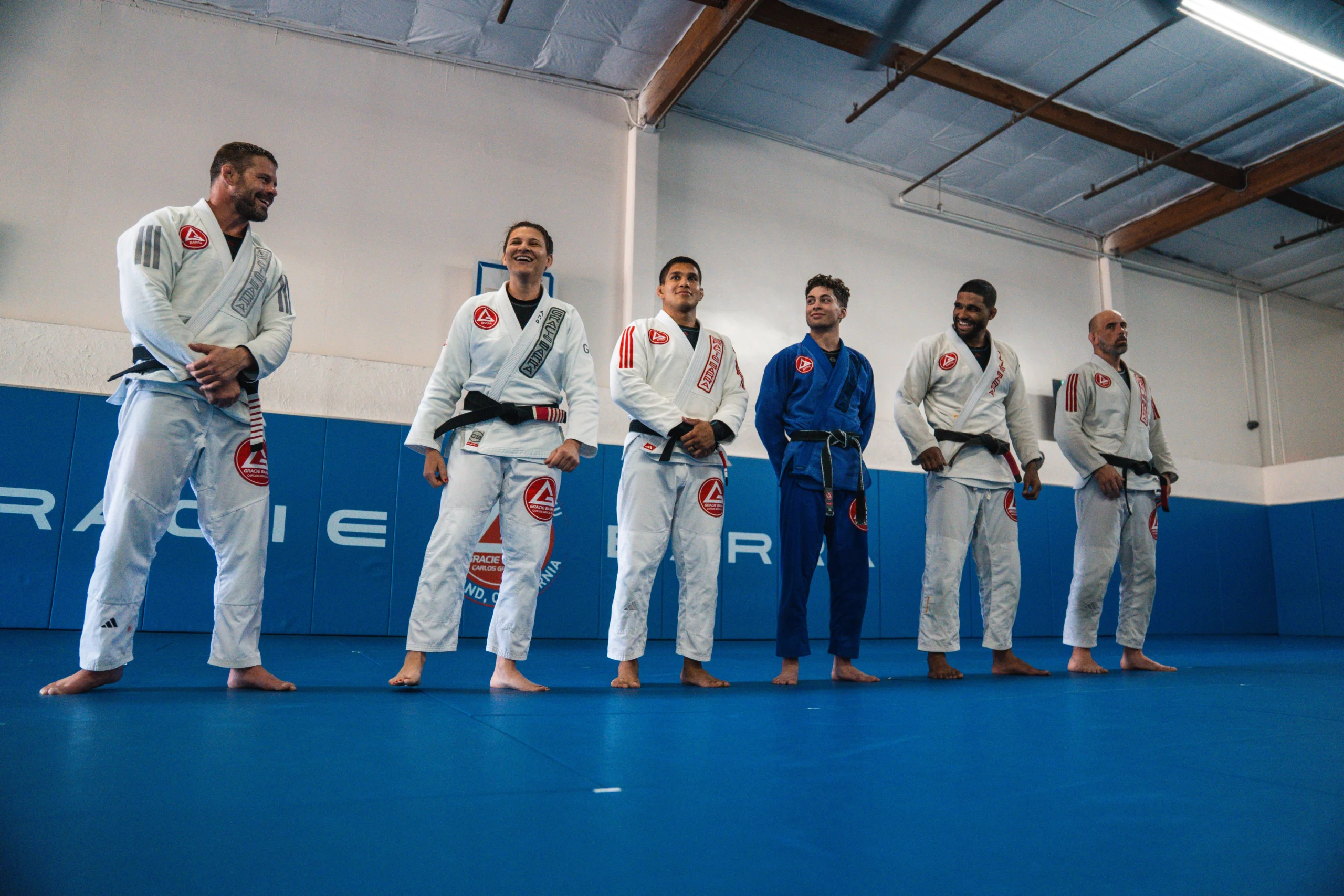
The Most Effective Positions in Jiu-Jitsu: Mastering Control in Upland
Brazilian Jiu-Jitsu operates on a foundational hierarchy where positioning always precedes submission. While dramatic joint locks and chokes capture spectators’ attention, dominant positional control actually wins matches and ensures personal safety. Residents across Upland who step onto our mats quickly learn that controlling an opponent’s hips, shoulders, and center of gravity neutralizes physical strength. At Gracie Barra Upland, our structured curriculum teaches practitioners how to secure, maintain, and transition between the art’s most powerful positions. Mastering these foundational stances empowers smaller individuals to manage larger aggressors safely and effectively.
Understanding positional hierarchy turns chaotic scrambles into calculated, step-by-step progressions. Rather than hunting blindly for risky submissions, disciplined grapplers advance methodically from neutral positions to absolute control. This comprehensive guide breaks down the most effective positions in Jiu-Jitsu, explaining their mechanical advantages and how our community in Upland masters them on the mats.
Brazilian Jiu-jitsu in Upland
1. Back Control: The Ultimate Dominant Position
Grappling experts universally recognize back control as the single most advantageous position in Brazilian Jiu-Jitsu. Securing an opponent’s back eliminates almost all of their offensive weapons while exposing them to high-percentage finishes.
Why Back Control Reigns Supreme
When you position yourself directly behind an opponent, their limbs face away from your body. Consequently, an aggressor cannot throw strikes, apply joint locks, or use their weight to pin you.
Total Offensive Access: You gain direct access to the opponent’s neck for rear-naked chokes and collar strangles without risking your own base.
The Seatbelt Grip: Wrapping one arm over the opponent’s shoulder and the other under their opposite armpit locks your chest firmly to their upper back.
Hook Control: Placing your heels inside the opponent’s thighs prevents them from turning into you or escaping onto their hips.
Furthermore, back control works equally well regardless of size differences. Even a much heavier opponent struggles to generate power when they cannot face you. Learning to take and maintain the back forms a cornerstone of practical self-defense training at our academy in Upland.
2. The Mount: Gravity and Leverage Working Together
The full mount stands right alongside back control at the top of the positional hierarchy. Sitting astride an opponent’s torso places your entire body weight directly over their center of gravity.
Maximizing Top Pressure and Balance
From the top mount, gravity becomes your strongest ally. Your opponent must carry your weight while fighting to protect their neck and arms simultaneously.
Pinning the Hips: Sitting low on the opponent’s pelvis prevents them from bridging effectively to off-balance you.
Isolating the Arms: Climbing your knees higher toward the opponent’s armpits separates their elbows from their ribs, opening pathways for armbars and shoulder locks.
Maintaining Base: Widening your knees or posting your hands on the mat keeps you stable whenever the bottom person attempts to buck or roll.
Therefore, the mount creates an overwhelming dilemma for the bottom practitioner. Protecting the neck exposes the arms, while defending the arms leaves the collar wide open. Practitioners across Upland develop tremendous patience and weight-distribution awareness while refining their top mount attacks.
3. Side Control: Heavy Consolidation and Transition Mastery
Passing an opponent’s legs usually lands the top practitioner in side control. Positioned perpendicular to the opponent’s torso, you use chest-to-chest pressure to pin their shoulders flat against the mat.
Controlling the Frames and Hips
Side control serves as the primary launching pad for advancing to the mount or taking the back. Maintaining this pin requires shutting down the bottom person’s defensive frames.
The Crossface: Driving your shoulder firmly into the opponent’s jaw turns their face away, preventing them from turning toward you.
Underhook Control: Securing an underhook on the far side elevates their shoulder and blocks their ability to shrimp away.
Hip Blocking: Positioning your knees snugly against their hip and ribs eliminates the space needed to recover guard.
As a result, disciplined side control drains an opponent’s energy rapidly. Carrying constant chest pressure makes breathing difficult for the bottom person, forcing them into predictable escape attempts that you can easily counter.
4. The Closed Guard: Turning the Bottom Position into a Weapon
Most martial arts treat landing on your back as a disastrous defeat. Brazilian Jiu-Jitsu completely reverses this reality through the closed guard.
Controlling Distance and Posture from Your Back
Wrapping your legs around an opponent’s waist and locking your ankles locks them inside your defensive perimeter. From this vantage point, your legs control their posture while your hands attack their grips.
Breaking Posture: Pulling the opponent’s head and shoulders down toward your chest neutralizes their ability to strike or stand up.
Angle Creation: Shifting your hips to the side aligns your body to attack with triangles, armbars, and kimuras.
Sweeping Opportunities: Off-balancing a forward-leaning opponent allows you to overturn them cleanly, landing directly on top in the mount.
Consequently, the closed guard makes Jiu-Jitsu uniquely effective for real-world personal protection. Even if an attacker tackles you to the ground, locking your guard keeps you safe, controls their strikes, and gives you complete control over the encounter.
5. Knee on Belly: Mobility, Speed, and Tactical Pressure
Knee on belly bridges the gap between heavy pinning positions and rapid transitional movement. Placing one shin across the opponent’s midsection while posting your opposite foot wide creates sharp, concentrated pressure.
Forcing Reactions Through Dynamic Movement
Unlike the static hold of side control, knee on belly emphasizes mobility and rapid adjustment. The localized pressure forces the bottom practitioner to react immediately.
Creating Panic: Concentrated weight on the solar plexus makes breathing uncomfortable, prompting the opponent to push your knee away.
Capitalizing on Extensions: Pushing against your knee exposes the opponent’s near arm for fast spinning armbars and far-side transitions.
Maintaining Awareness: Staying upright on your feet allows you to disengage instantly or transition smoothly to the mount if the opponent turns away.
Therefore, knee on belly builds exceptional balance and athletic agility. grapplers in Upland use this position to keep heavier training partners constantly defending while dictating the tempo of the match.
6. Half Guard: The Versatile Bridge Between Defense and Offense
Half guard occurs when the bottom practitioner traps one of the top person’s legs between both of their own legs. Once viewed strictly as a transitional stopgap, modern grappling recognizes half guard as a powerhouse offensive system.
Controlling the Underhook and Sweeping
Trapping a single leg prevents the top person from establishing chest-to-chest side control while giving the bottom player direct access to the opponent’s hips.
Fighting for the Underhook: Securing an underhook allows the bottom practitioner to come up onto their side and attack the opponent’s back or legs.
Knee Shield Defense: Placing your top shin diagonally across the opponent’s chest blocks heavy smashing pressure and manages distance safely.
Deep Half Transitions: Diving underneath the opponent’s center of gravity off-balances even the heaviest training partners for effortless sweeps.
Accordingly, mastering half guard ensures you never feel stuck underneath a strong passer. It transforms a compromised defensive spot into a reliable launching pad for reversals.
7. Learning Positional Mastery Across Every Age Group in Upland
Understanding these positions builds physical literacy, strategic thinking, and calm composure under pressure. At Gracie Barra Upland, we introduce positional concepts progressively so every student develops rock-solid fundamentals.
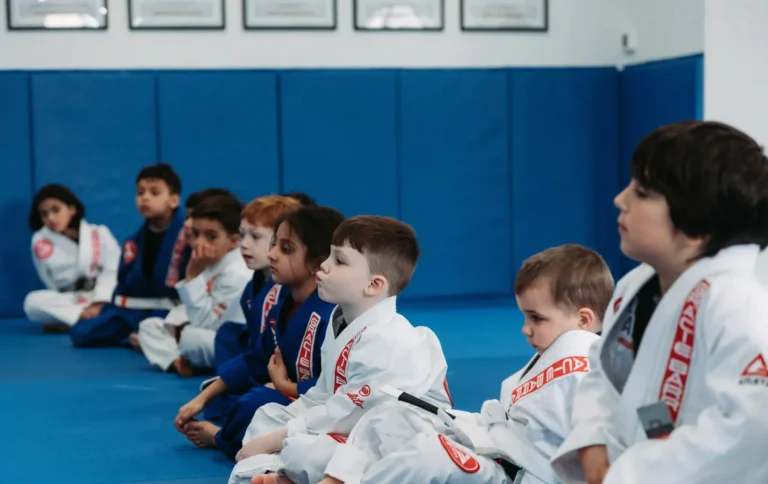
Our adult fundamentals classes teach newcomers how to escape bad positions before hunting for submissions. Meanwhile, our youth programs introduce these exact same positional mechanics through age-appropriate drills across six distinct tiers:
Tiny Champions (3-4): Introduces toddlers to basic balance, spatial awareness, and cooperative movement games.
Little Champions 1 (5-6): Teaches introductory body control, basic self-defense posture, and respectful group interaction.
Little Champions 2 (7-9): Focuses on core positional control, safe takedowns, and strategic problem-solving.
Teens (10-11): Builds functional athletic power, peer leadership, and confidence against social pressure.
Juniors (12-15): Develops technical precision, positional transitions, and mature stress management for adolescents.
ADV Kids (7-14): Offers rigorous technical refinement for experienced youth practitioners seeking deeper positional mastery.
Every session is led by highly trained professors and well-trained coaches who prioritize safe biomechanics and steady progression. Students train on pristine, hospital-grade sanitized mats alongside encouraging teammates who celebrate each technical breakthrough.
Master Positional Control at Gracie Barra Upland Today
Position before submission remains the golden rule of Brazilian Jiu-Jitsu. When you master back control, the mount, side control, and the guard, you gain the ability to dictate any physical exchange through leverage rather than brute force.
Gracie Barra Upland invites local residents to experience our structured, supportive curriculum firsthand. Whether your goal involves practical self-defense, dynamic fitness, or mental focus, our academy provides the mentorship you need to thrive.
We offer a free introductory trial class, allowing you to step onto our mats with zero obligation. Tour our facility, meet our well-trained instructional team, and discover how positional mastery transforms your confidence on and off the mats.
Visit https://gbupland.com to schedule your free trial session today. Build unstoppable control, functional strength, and lifelong resilience right here in Upland!
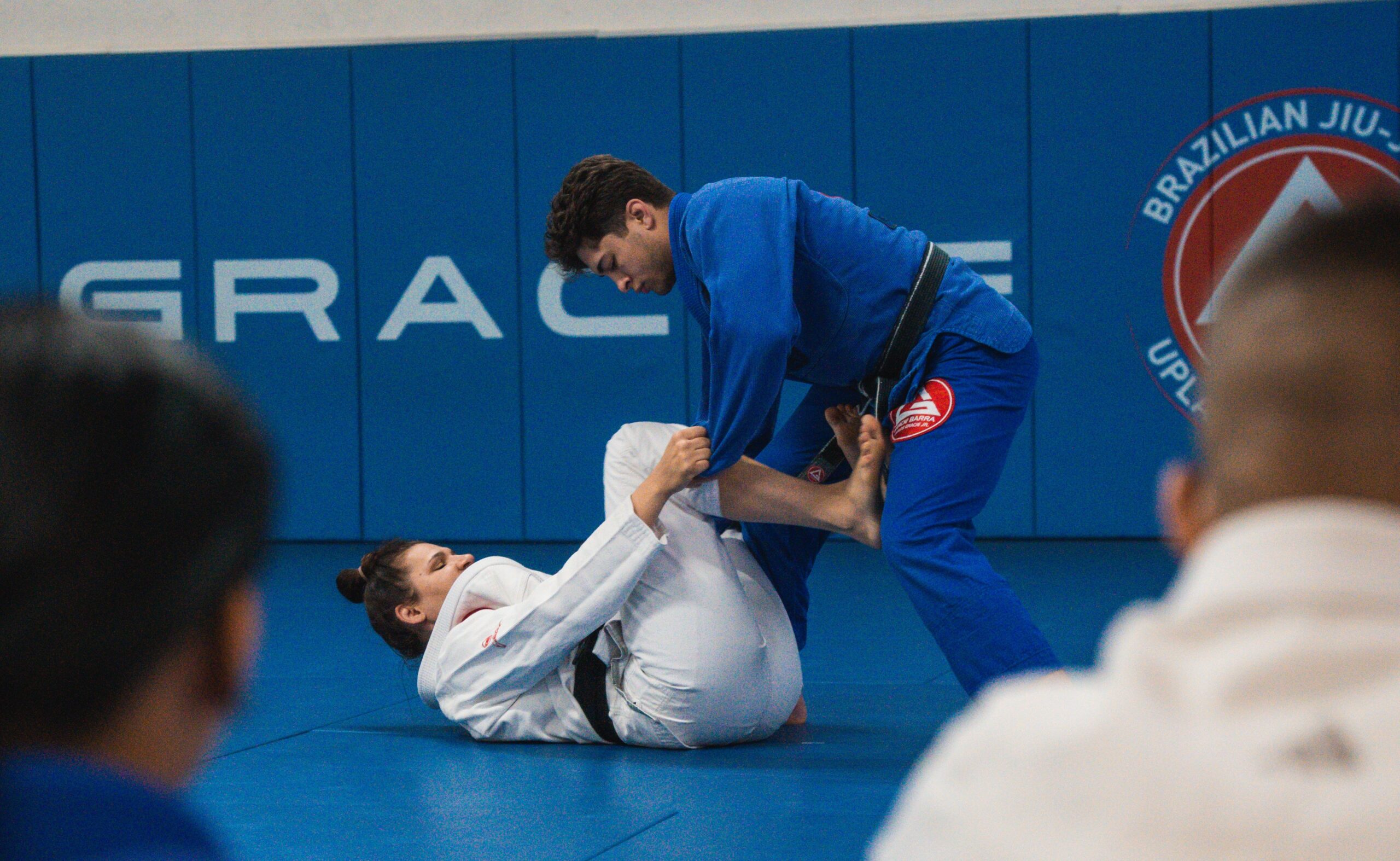
In Brazilian Jiu-Jitsu, position always comes before submission. Mastering dominant positions like back control, the full mount, side control, and the closed guard allows you to neutralize brute strength using pure leverage and balance.
At Gracie Barra Upland, our structured curriculum teaches practitioners step-by-step how to secure, maintain, and transition between these essential positions safely. Whether you want to learn practical self-defense, improve your functional fitness, or sharpen your mental focus, our highly trained professors and well-trained coaches guide you through every mechanical detail on clean, hospital-grade sanitized mats.
We welcome beginners and experienced practitioners alike, offering dedicated adult classes alongside age-specific youth programs: Tiny Champions (3-4), Little Champions 1 (5-6), Little Champions 2 (7-9), Teens (10-11), Juniors (12-15), and ADV Kids (7-14).
Brazilian Jiu-jitsu in Upland
Step onto our mats in Upland, CA, and discover how positional mastery builds real confidence on and off the tatami. Book your free introductory trial class today!