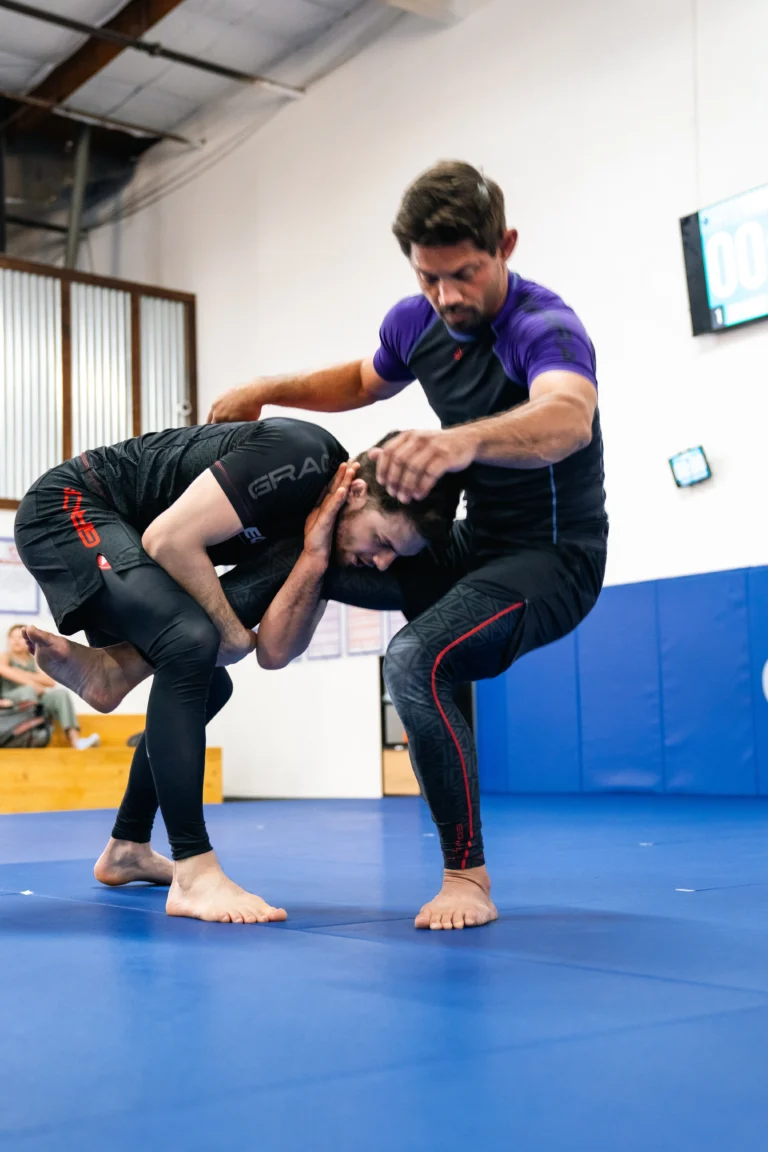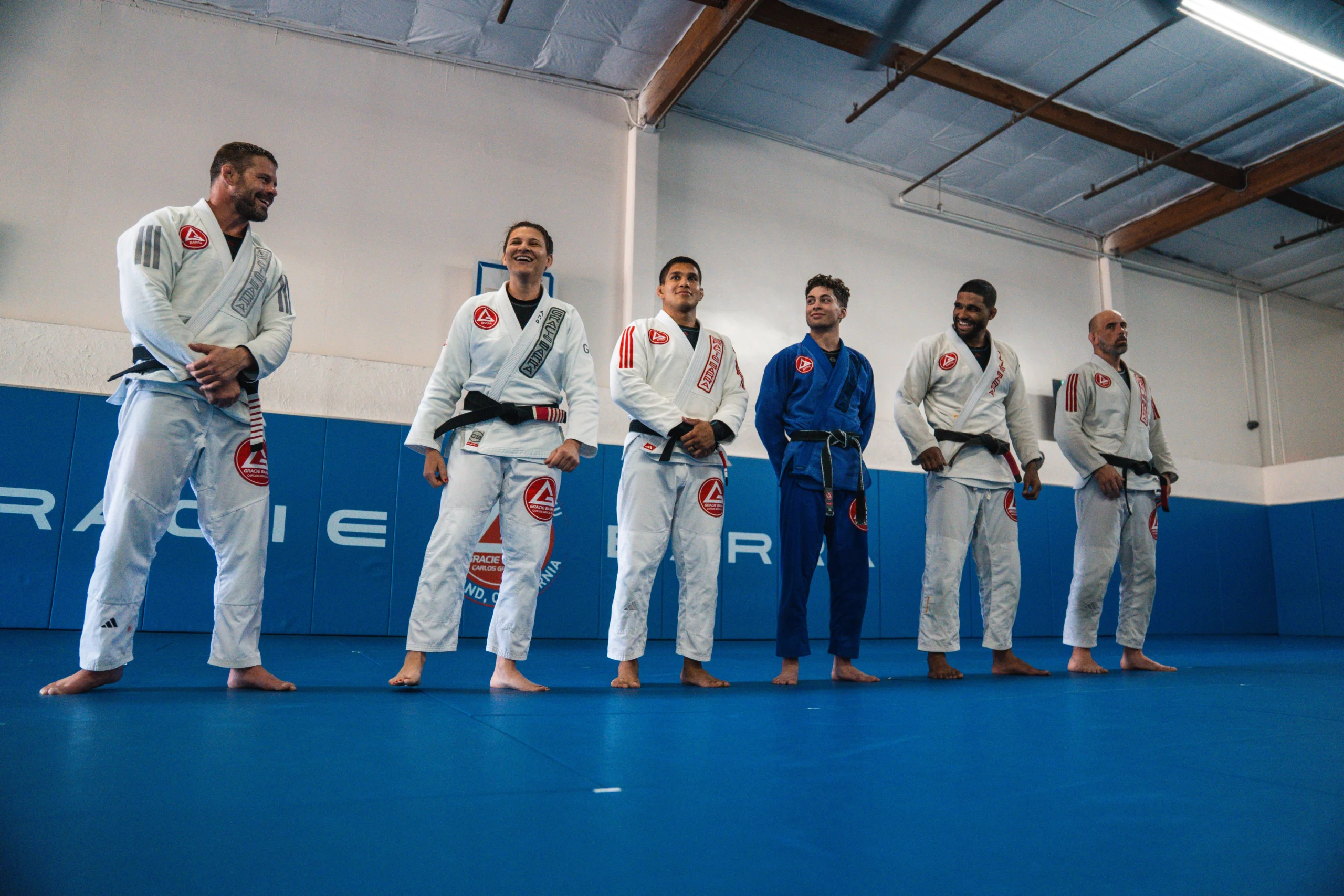
Keep finding reasons to step onto the mats
Jiu-Jitsu motivation can feel strong when everything is new, then become quieter as training turns into part of your week. That change does not mean you have stopped caring. At Gracie Barra Upland, you can approach continued training through three practical choices: recognize small improvements, make attendance easier to organize, and stay connected to what you enjoy about learning.
You do not need every class to feel exciting before it begins. Some sessions bring a clear discovery; others give you another opportunity to understand something that still feels difficult. Both can contribute to an experience worth continuing.
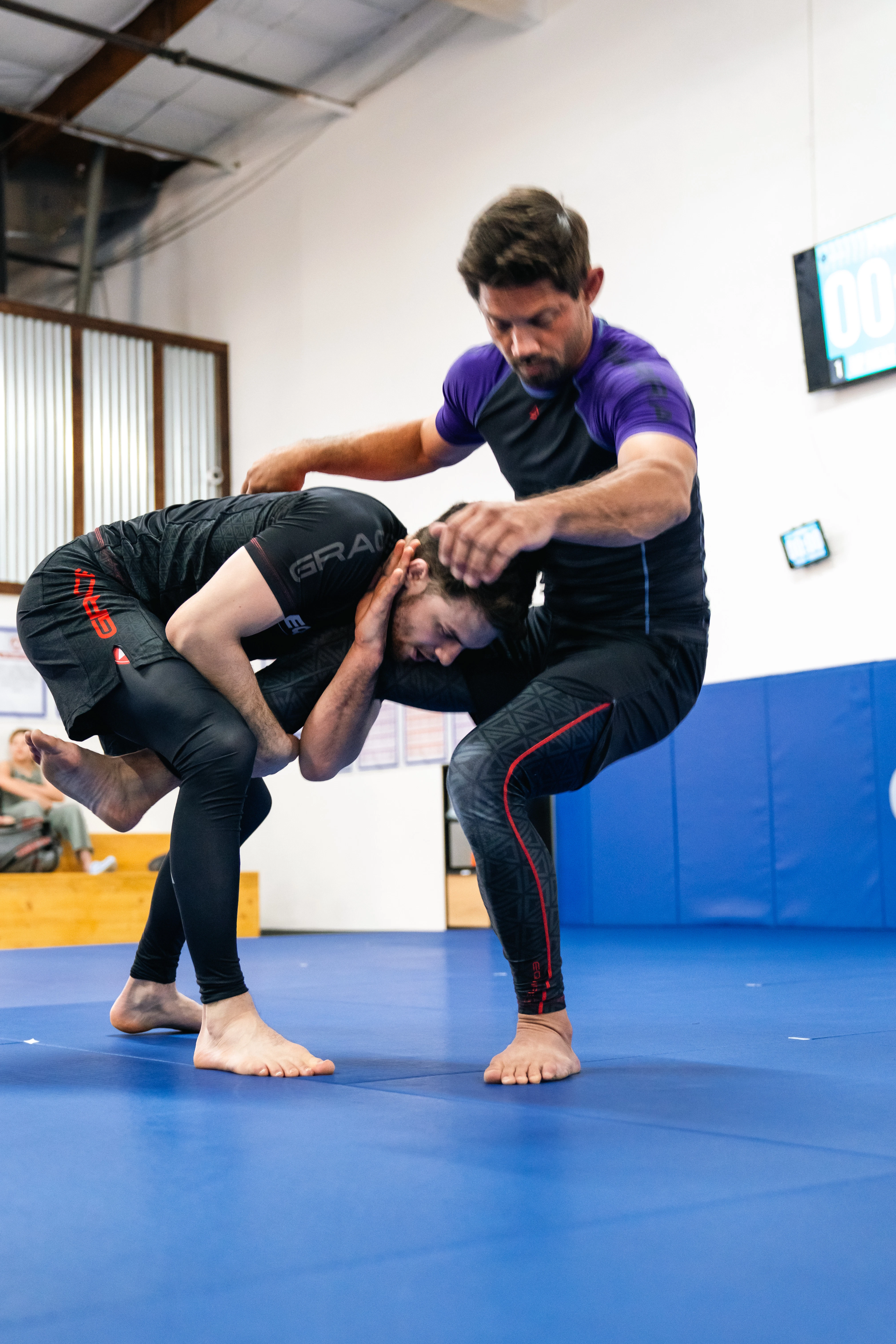
DISCOVER Gracie Barra Upland
CLICK HERE1. Build Jiu-Jitsu motivation around small improvements
If you judge every session by whether you outperformed a partner, an ordinary class can feel disappointing. A more useful question is whether you noticed or understood something that previously escaped you. That gives you a reason to pay attention even when practice feels familiar.
For example, you might follow an explanation with fewer reminders, ask a clearer question, or recognize where you became confused. These observations are modest, but specific. They give you something to build on during the next lesson.
Choose a goal you can actually observe
“Get better” is difficult to evaluate after one class. “Ask about the step I keep forgetting” gives you an action you can complete. Before practice, choose one learning priority that fits the lesson and your instructor’s guidance.
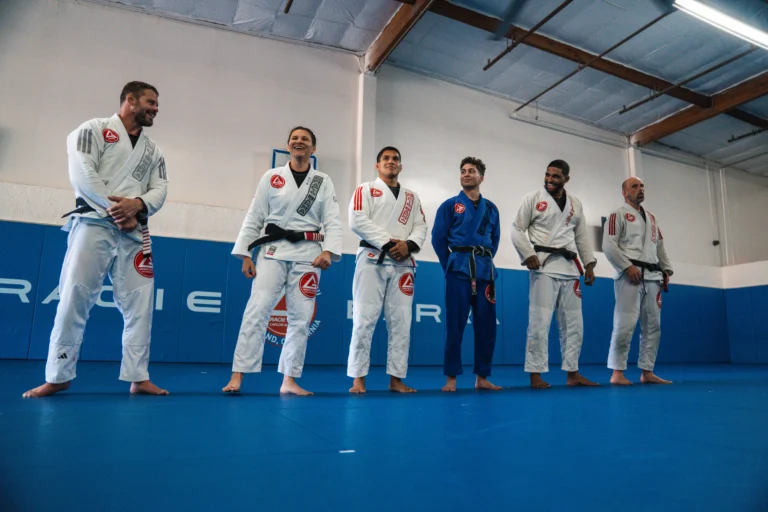
The Jiu-Jitsu belt progression system offers a longer view of development. Keep those milestones in perspective while recognizing the smaller changes that make individual sessions useful. A promotion does not need to be approaching for your effort to have a purpose.
Use comparison to find questions, not verdicts
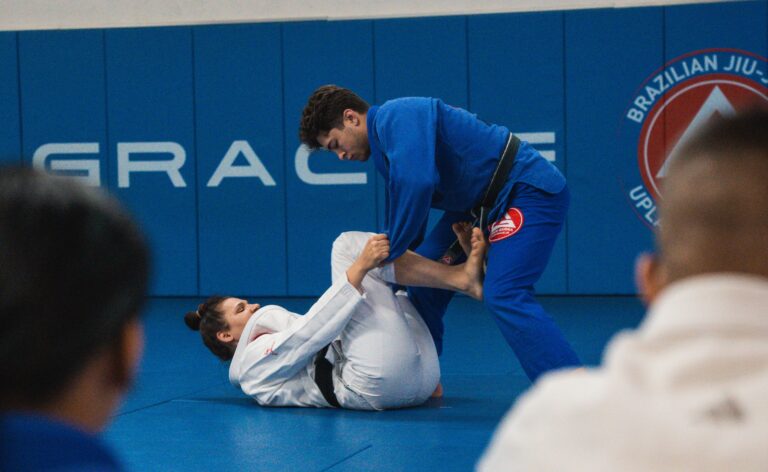
A teammate may understand something faster than you. Instead of deciding that you lack ability, identify what you would like help understanding. You might ask the instructor to explain a detail again or check whether you understood the task correctly.
This changes the next step from proving yourself to participating in your own learning. Jiu-Jitsu motivation has something concrete to rest on when you can identify a question, work on it, and notice what becomes clearer.
2. Make consistent training easier to organize
A class can matter to you and still compete with work, travel, and family responsibilities. Look at the whole commitment, including getting ready and getting home. A schedule that works only when everything goes perfectly may create unnecessary frustration.
Research on habit formation through repeated behavior found that actions repeated in a consistent context became more automatic over time. The study examined everyday behaviors rather than Jiu-Jitsu attendance, but it offers a useful planning principle: give an intended activity a recognizable place in your routine.
For training, that might mean preparing your bag after dinner the evening before your chosen class. The purpose is to reduce last-minute decisions. You still need to consider your circumstances, but you have already handled one small obstacle.
Check current class options with Gracie Barra Upland and choose a commitment you can reasonably maintain. Preparing clean gear and following class preparation and mat etiquette also helps you arrive ready to participate respectfully.
3. Stay connected to the enjoyment of learning
Progress matters, but it does not have to carry the entire reason you train. Think about the parts of class you appreciate while they are happening: working through a problem, listening to an explanation, or practicing alongside someone who takes learning seriously.
If you enjoy the interactive challenge of Jiu-Jitsu, notice which questions keep you curious. A movement you do not understand yet can become a reason to listen closely rather than evidence that the session went badly.
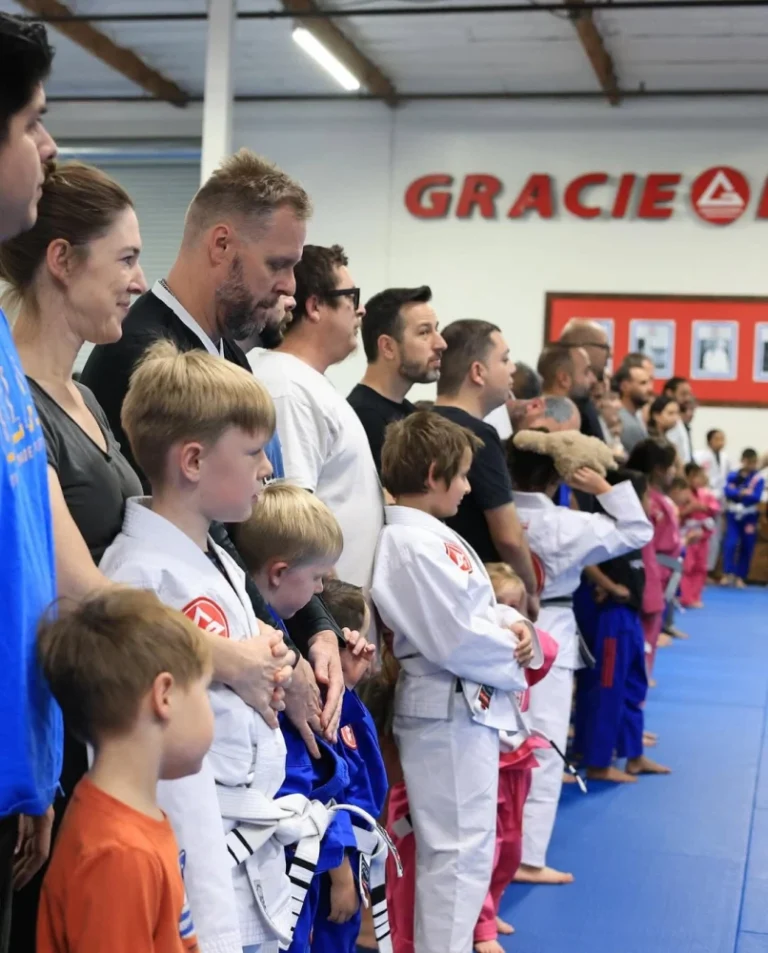
The people around you can also help make training meaningful. Participating in the local Jiu-Jitsu community starts with ordinary actions: greeting a partner, paying attention during shared practice, and thanking someone for their help. Connection grows through participation, without requiring you to be especially outgoing.
Jiu-Jitsu motivation can draw on several reasons at once. You might value learning on one day and the company of your training partners on another. Neither reason needs to produce an impressive result to make the class worthwhile.
You may also appreciate having an activity that asks for your attention away from work and household tasks. Recognizing that personal reason gives your routine a purpose beyond attendance alone. The opportunity for focused time during adult training can matter even when you have no competitive goal.
Put Jiu-Jitsu motivation into practice this week
Before your next session, write a short sentence about what you want to pay attention to. Keep it connected to learning: following instructions carefully, asking about an unclear detail, or staying engaged when an exercise takes several attempts.
Afterward, record one observation rather than a score. “I understood the explanation after asking a question” tells you more than “good class.” Over several sessions, these notes may reveal questions to discuss with your instructor and improvements you might otherwise overlook.
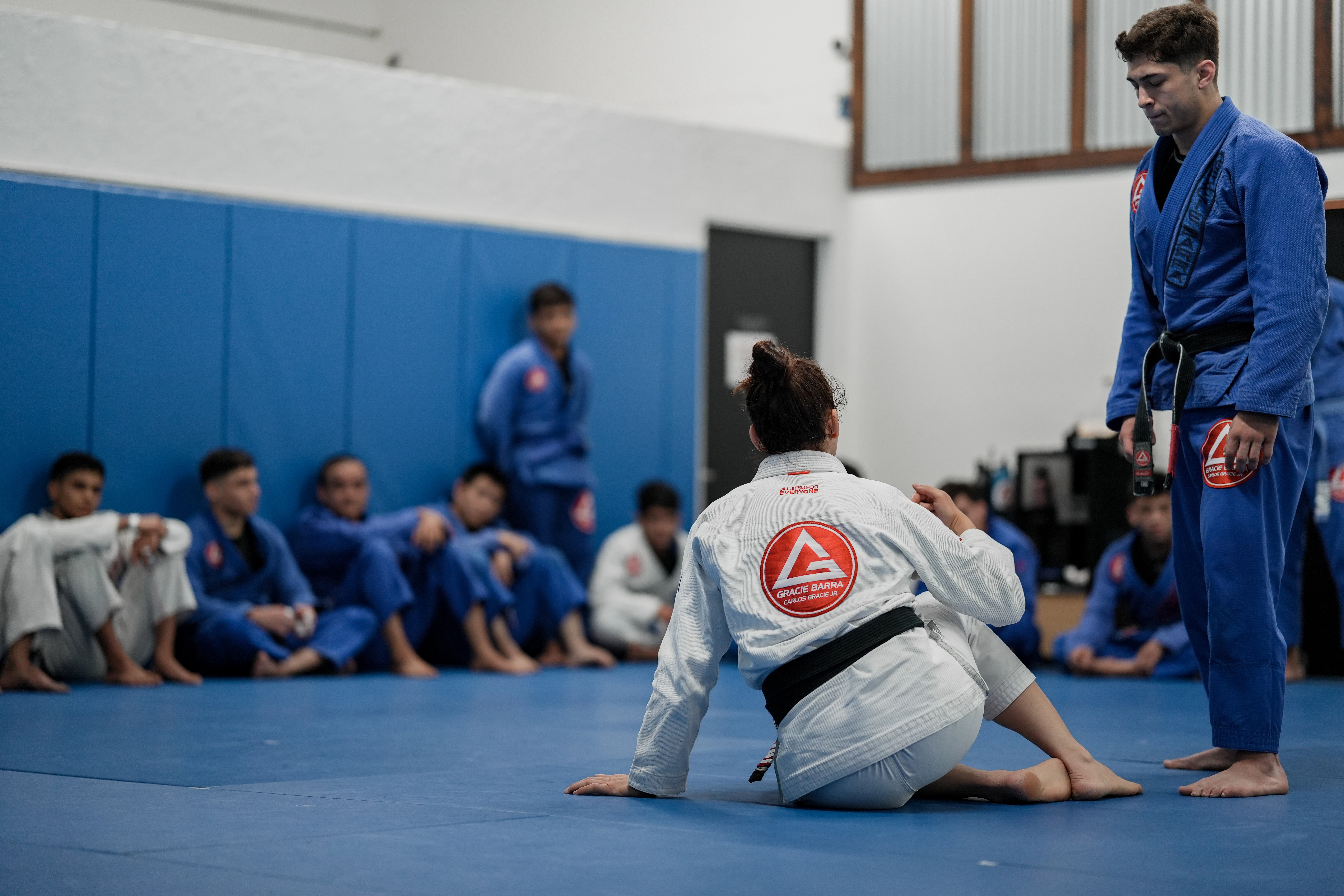
Turn an ordinary week into something you can build on
Imagine a week when no obvious milestone happens. You attend your planned class, practice something familiar, and still need help with part of it. The experience may feel uneventful, yet you now have a specific question to bring into the next lesson.
Use that information to decide what comes next. Ask for clarification, prepare for your next suitable class, and keep your expectations connected to what you are actually learning. Consistent training becomes easier to value when you can see the purpose of ordinary participation.
DISCOVER Gracie Barra Upland
CLICK HERELet your reasons for training keep growing
Jiu-Jitsu motivation does not have to remain as intense as it felt on your first day. It can develop into a steadier appreciation for learning, the people you practice with, and the place training holds in your week.
At Gracie Barra Upland, your next step can be simple: choose a suitable class and bring one question you genuinely want to understand. Give your attention to that experience. Meaningful progress often begins with having something worth working on today.