Good training partners help everyone learn
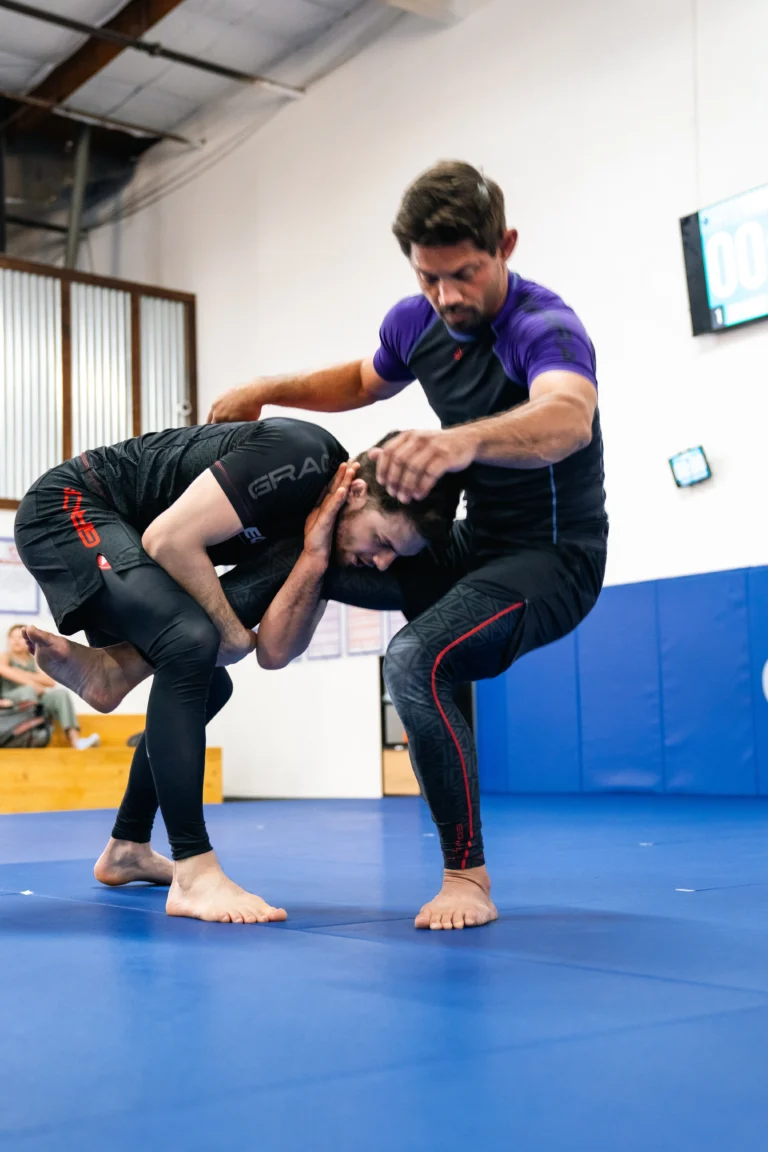
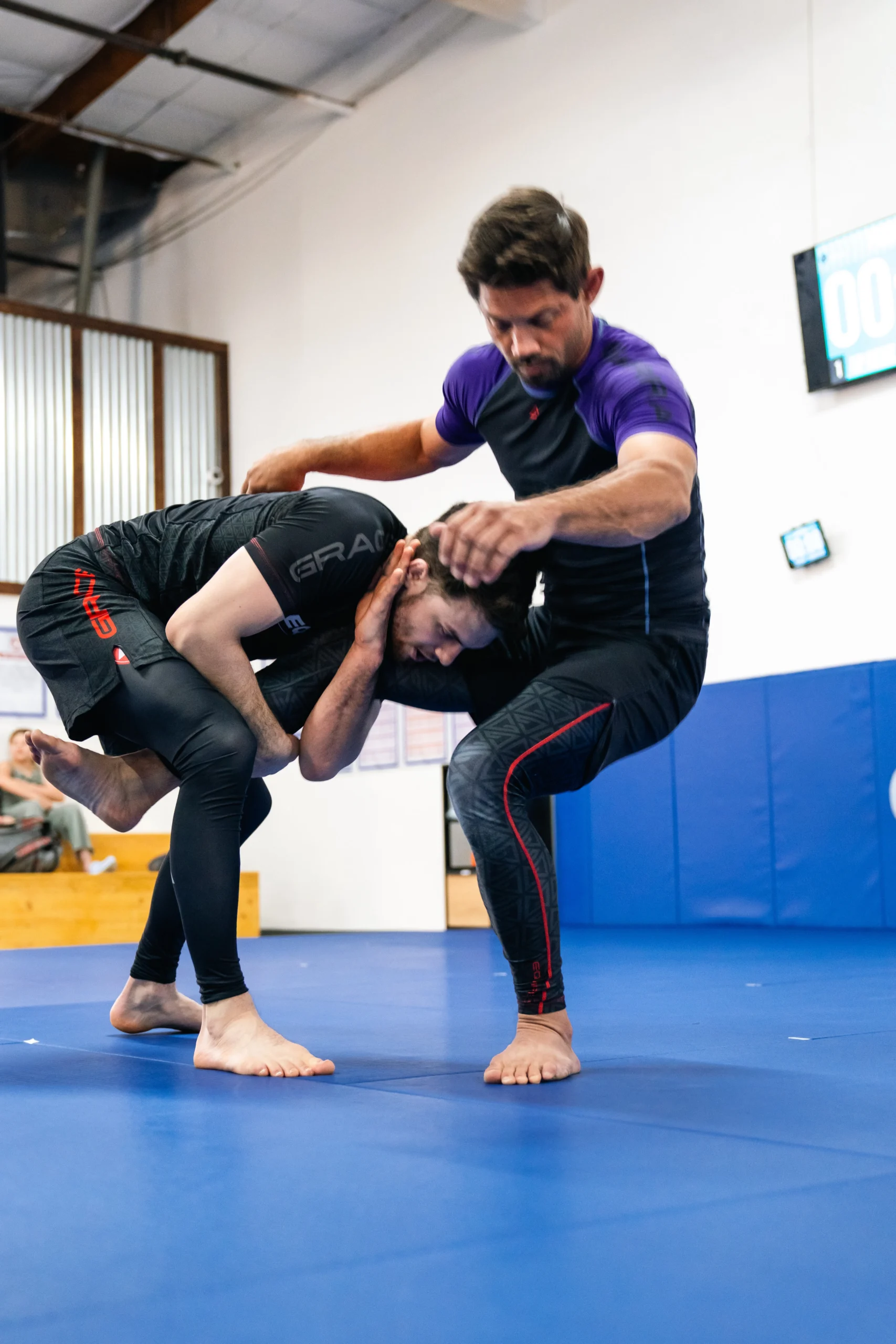
Jiu-Jitsu is practiced with another person, so the way you show up affects more than your own experience. A good Jiu-Jitsu training partner pays attention, communicates clearly, and treats practice as shared learning. These habits make class more welcoming for beginners and more useful for experienced students alike.
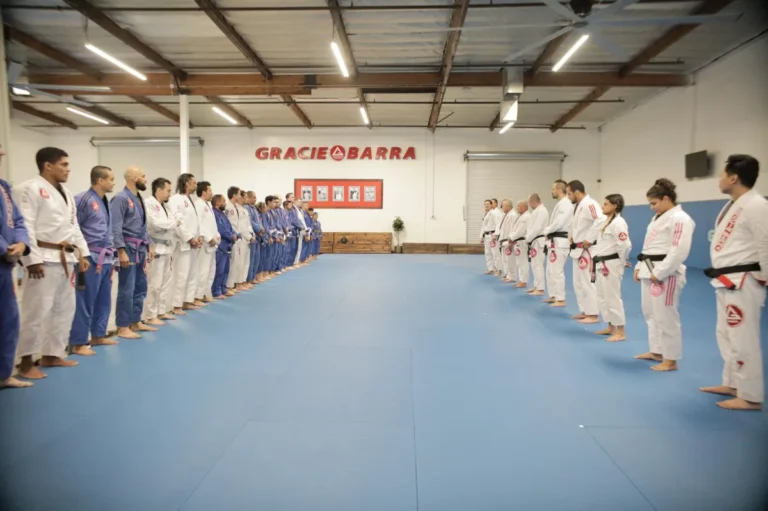
You do not have to be the most skilled person in the room to contribute. Courtesy, patience, and awareness are practical ways to help create the kind of class people want to return to. At Gracie Barra Upland, each student can help build that environment through everyday choices.
DISCOVER Gracie Barra Upland
CLICK HERE1. Start with attention and respect
When the instructor is speaking, pause your conversation and listen. Your partner may rely on the same explanation, and missing an instruction can leave both of you unsure what the class is practicing. If something remains unclear, ask at an appropriate moment so you can continue together.
Respect also means arriving ready to participate: wear clean training clothes, keep nails short, and follow the academy’s directions about where to wait or place your belongings. These small courtesies help everyone feel considered in a close-contact activity.
Make room for different experience levels
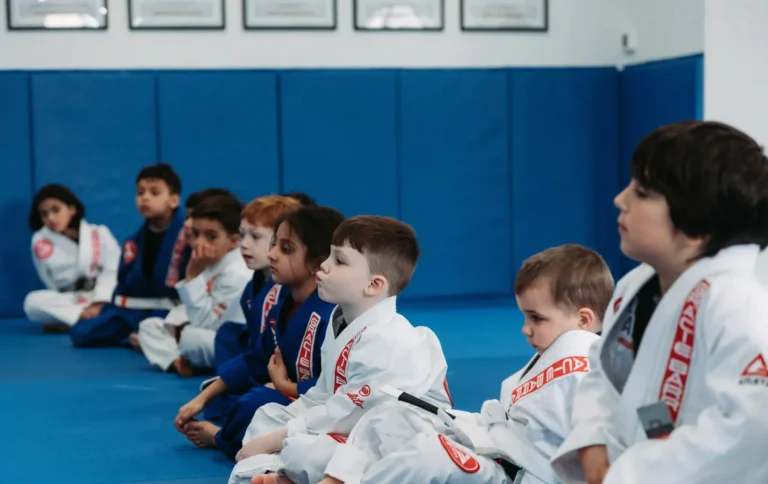
A newer student may need more time to understand what the instructor asked the class to do. Give them a moment to get oriented. You can confirm the exercise together or ask the instructor for clarification instead of assuming your partner is careless.
If someone is still learning how class works, the academy’s beginner training overview gives useful context for what newcomers may be figuring out.
When you are the less experienced partner, it is also fine to say what you do not understand yet. A training partner can help you follow the activity, while the instructor remains the right person to teach or correct the details.
2. Communicate and pay attention to comfort
Before practice begins, a quick check in can prevent mismatched expectations. If you are unsure about the activity, ask your partner what the instructor explained. If something feels uncomfortable or confusing, say so and pause to get guidance.
Listening matters as much as speaking. Your partner may ask to slow down, clarify what they are doing, or stop for a moment. Take that request seriously. Training together works best when both people can participate without feeling pressured to hide uncertainty.
The academy’s guidance on mat etiquette and class conduct provides more context for sharing the practice space respectfully. Courtesy is not a separate achievement; it is part of how you make class workable for everyone.
3. Help your partner learn without taking over
It can be tempting to correct every detail you notice. Unless the instructor has asked you to help, avoid turning partner practice into a second lesson. Focus on the assigned activity, and invite the instructor to answer questions about technique or instructions.
You can still be supportive in simple ways: stay attentive, repeat the directions you heard, and give your partner time to try. If you are uncertain yourself, say so. Honest communication is more useful than pretending to know what to do.
For a broader view of how students progress over time, see the academy’s explanation of the Jiu-Jitsu belt progression system. Different students will be at different points, and a shared class gives everyone a chance to keep learning.
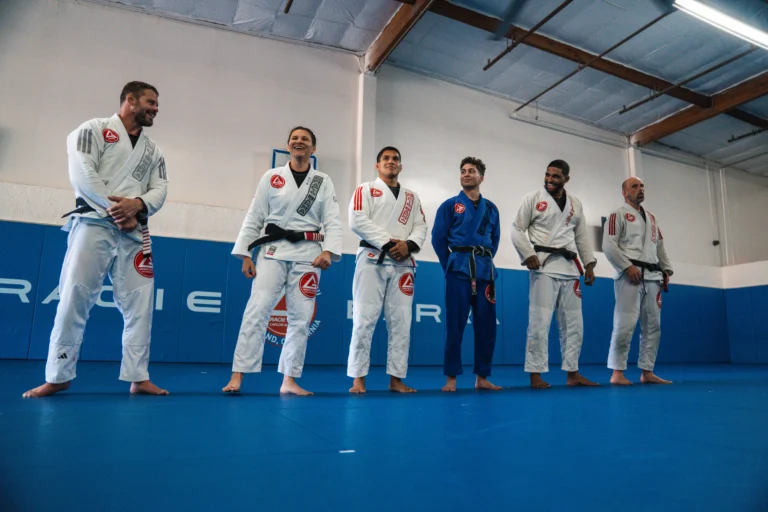
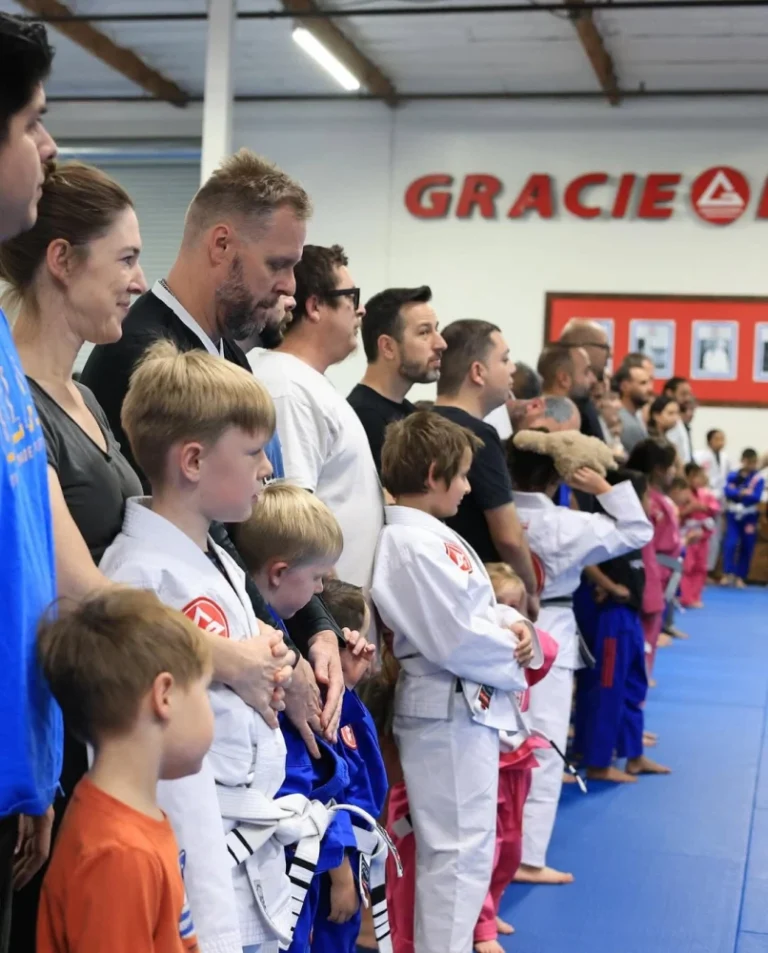
Experienced practitioners can also remember what it felt like to be new. A friendly greeting or a patient response can make the room easier to navigate. The Jiu-Jitsu community around Upland is strengthened through these small interactions, not only through major events or milestones.
Partners can encourage one another while keeping the focus on learning. The benefits adults find in training include the confidence that can grow through shared practice and steady participation.
Recognize effort without judging performance
A brief “thanks for practicing with me” is often enough to end a round on a friendly note. If your partner is working through something difficult, encouragement can acknowledge their effort without evaluating how well they did. Leave technical feedback to the instructor unless your partner asks for your perspective.
Choose one habit to practice this week
You do not need to change everything about how you train. Choose one action before class: listen without distraction, check in with your partner, or ask the instructor when the exercise is unclear. Keep the action simple enough to remember when class gets busy.
Afterward, consider whether it helped you and your partner stay engaged. If it did, continue. If it did not, ask the instructor what would make the interaction clearer next time. The goal is to contribute to a good learning environment, not to perform friendliness for recognition.
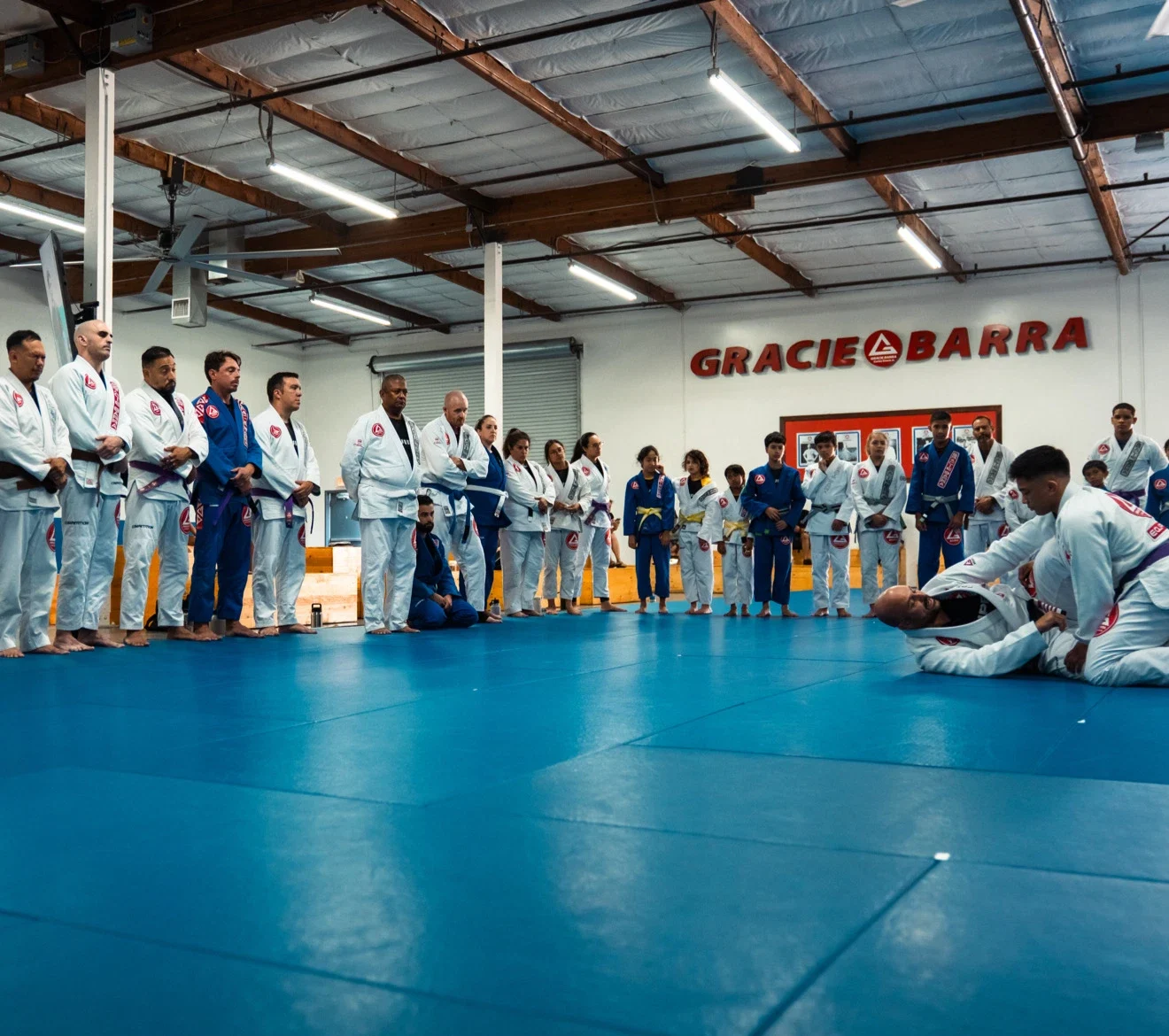
Small choices shape the class you share
Imagine your partner loses track of the directions during practice. You can pause, check what each of you understood, and get help from the instructor if needed. That brief moment of patience can keep both students involved rather than leaving one to guess.
Across a week of classes, these ordinary choices add up to a more considerate room. Students can focus on learning when they know their partners will listen, communicate, and respect their comfort.
DISCOVER Gracie Barra Upland
CLICK HEREBe someone people can learn with
Being a good Jiu-Jitsu training partner does not require advanced rank or perfect confidence. It begins with attention, considerate communication, and a willingness to learn alongside another person.
At Gracie Barra Upland, bring one supportive habit to your next class and keep practicing it. The way you treat your teammates helps make the mats a place where everyone can take part.