The Unbreakable Shield: Essential Jiu-Jitsu Defensive Techniques in Upland
Mastering Brazilian Jiu-Jitsu begins with the ability to survive. Grandmaster Hélio Gracie famously emphasized that one must first not lose before learning how to win. This defensive-first philosophy remains the cornerstone of our training at Gracie Barra Upland. Defensive techniques provide the necessary safety net for every practitioner. They allow a smaller individual to weather the storm against a more aggressive opponent. Developing a sophisticated defense builds the confidence required to eventually transition into offensive movements. For residents of Upland, understanding these core principles transforms their grappling journey from a struggle for air into a strategic game of patience.
Effective defense is not passive; it is an active, calculated process. It involves structural alignment, precise timing, and psychological composure. This guide explores the most critical Jiu-Jitsu defensive techniques and concepts. Mastering these elements ensures your survival on the mats and enhances your overall capability as a martial artist.
Brazilian Jiu-jitsu in Upland
The Philosophical Foundation of Defense
Defense represents the heart of Brazilian Jiu-Jitsu. A solid defensive game makes a grappler virtually impossible to submit. This invincibility creates frustration in the opponent. Frustrated opponents make mistakes. These mistakes eventually provide the openings needed for sweeps or submissions.
The Survival Mindset
Beginners often panic when pinned. Panic leads to erratic movements and rapid exhaustion. The defensive mindset prioritizes calm. You must learn to find comfort in uncomfortable positions. This mental shift is the first step toward effective defense.
Training at Gracie Barra Upland focuses on progressive desensitization. Students face controlled pressure to build this mental fortitude. This process ensures that when a real threat arises, the practitioner remains analytical. They focus on the technical solution rather than the emotional fear.
Posture as the Primary Barrier
Good posture serves as the first line of defense. It maintains the integrity of the spine and keeps the center of gravity stable. An opponent cannot easily sweep or submit someone with perfect posture.
In every position—whether inside the guard or standing—posture remains paramount. Bending at the waist or dropping the head invites attacks. Keeping the back straight and the head up creates a strong structural frame. Our Jiu-Jitsu community in Upland emphasizes posture in every fundamentals class. It is the invisible wall that keeps you safe.
Foundational Defensive Concepts: Frames and Levers
Defense relies on physics rather than muscle. Utilizing frames and understanding levers allows a practitioner to neutralize superior strength effortlessly.
The Power of Framing
A frame is a structural support created using the bones of the arms or legs. Proper frames do not require muscular effort to maintain. They use skeletal alignment to create space.
The Forearm Frame: Placing a forearm against the opponent’s neck or hip prevents them from closing the distance.
The Knee Shield: Using the shin as a barrier between you and the opponent stops their forward pressure.
Stiff Arms (Conditional): While extending arms is often risky, a well-timed stiff arm can prevent a guard pass or create an escape window.
Frames keep the opponent’s weight off your torso. This allows you to breathe and plan your next move. Students in Upland spend significant time mastering frame placement during our foundational classes.
Eliminating Levers
The opponent attacks by isolating a limb and using it as a lever. Defense involves hiding these levers. This means keeping elbows tight to the ribs and knees close to the chest.
Keeping a “compact” shape makes submission attempts difficult. If the opponent cannot access a lever, they cannot apply force to a joint. This “ball” shape is the ultimate defensive posture when under heavy side control or mount pressure.
Guard Retention: The First Line of Defense
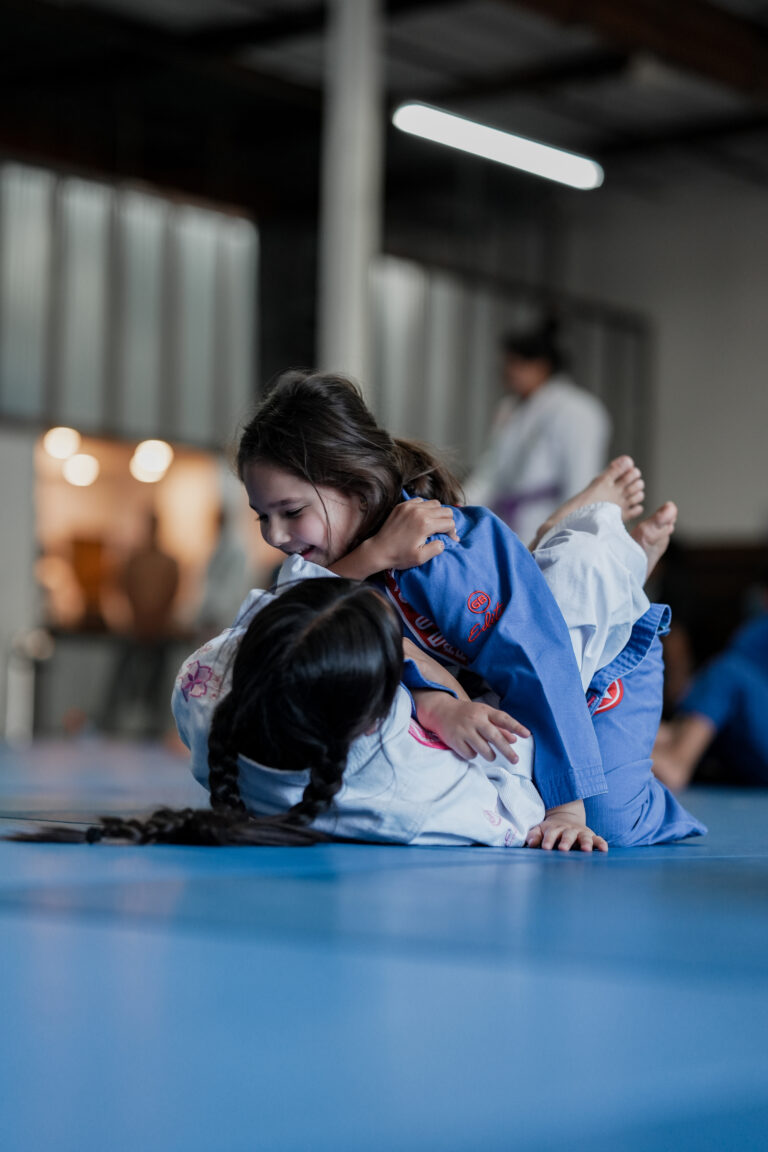
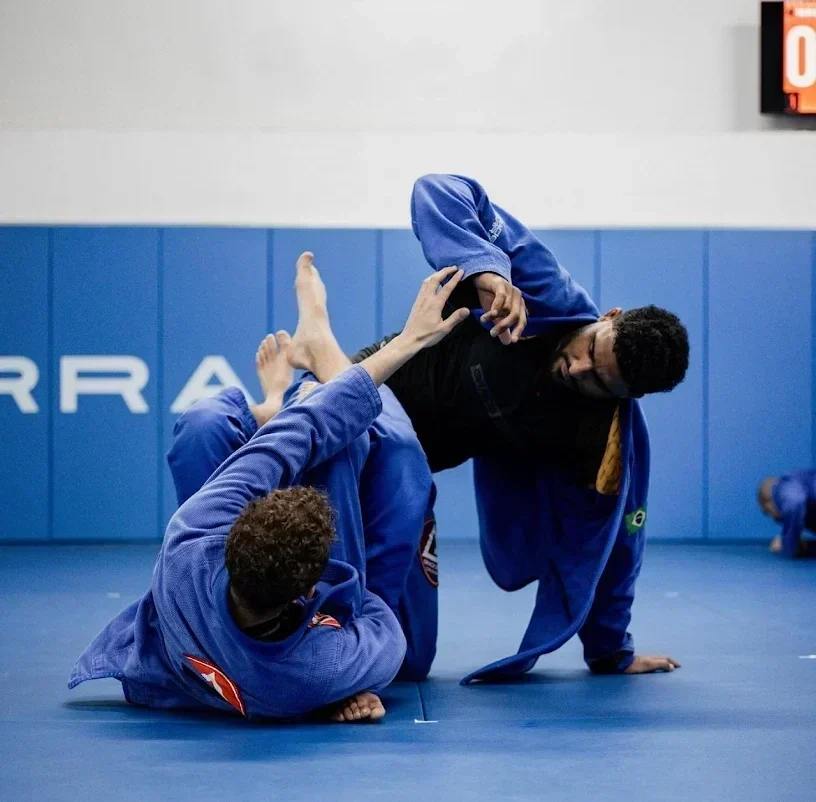
The guard is the most versatile position in Jiu-Jitsu. Guard retention is the art of keeping the opponent between your legs. Once an opponent passes the guard, the defensive difficulty increases significantly.
The Four Pillars of Guard Retention
Successful guard retention requires constant movement and awareness. Practitioners in Upland follow four main principles to keep their guard intact:
Feet on Hips: Maintaining contact with the opponent’s hips allows you to manage distance.
Knee-to-Elbow Connection: Closing the space between your knees and elbows prevents the opponent from sliding into a dominant position.
Pummeling: Leg and arm pummeling ensures you maintain inside position. Inside position is key to control.
Hip Movement: The guard is played with the hips, not just the legs. Rapid hip escapes (shrimping) allow for constant realignment.
Recovering the Guard
If the opponent begins to pass, the student must react instantly. Guard recovery involves using frames to create space and then swinging the legs back into position. This “reguarding” process is an essential skill for every blue belt and above. Consistency in Jiu-Jitsu training at Gracie Barra Upland ensures these movements become instinctive.
Escaping Inferior Positions
Sometimes the guard fails. When an opponent secures a dominant position like Side Control, Mount, or Back Control, the defensive focus shifts to escaping.
Escaping Side Control
Side control is often the most frustrating position to be stuck in. The opponent uses their weight to pin the defender’s shoulders to the mat.
The Bridge and Shrimp: This is the most fundamental escape. A powerful bridge creates a momentary gap. A quick hip escape (shrimp) allows the defender to bring a knee inside, leading back to the guard.
Underhook Escape: Securing an underhook allows the defender to move to their knees and potentially reverse the position.
Surmounting the Mount
The mount is a high-scoring and dangerous position. The defender must act before the opponent stabilizes their weight.
The Elbow-Knee Escape: By flattening one leg and using the elbow to push the opponent’s knee, the defender creates a path to recover half-guard.
The Bridge and Roll (Upa): This classic escape uses the opponent’s momentum against them. It requires trapping an arm and a leg before bridging diagonally to roll the opponent over.
Defending the Back
Back control is the most precarious position in BJJ. The defender must prioritize neck safety above all else.
Protecting the Neck: Hands must stay glued to the lapels or the opponent’s hands to prevent the Rear Naked Choke.
Clearing the Hooks: Removing the opponent’s leg hooks allows the defender to slide their hips to the floor, neutralizing the position.
Mastering these ground control escapes is vital for personal safety. Our instructors in Upland provide detailed, step-by-step instruction for each scenario.
The Role of Breathing and Mental Resilience
Technical knowledge is useless without the ability to execute it under pressure. This is where the mental aspect of Jiu-Jitsu becomes critical.
Controlling the Breath
Panic causes shallow breathing. This leads to an oxygen debt and muscle failure. Effective defenders practice rhythmic, deep breathing. This keeps the heart rate manageable and the mind clear.
Focusing on the breath acts as a form of meditation. It allows the student to endure the pressure of a heavy opponent without losing composure. This skill is one of the most significant benefits of Jiu-Jitsu training for overall health.
Building Mental Resilience
Resilience is the capacity to stay in the fight when things are going wrong. Defensive training is inherently difficult. It involves being pinned and pushed. However, this struggle builds an unbreakable spirit.
Students at Gracie Barra Upland develop a high level of mental resilience. They learn that being in a bad position is temporary. They understand that a technical solution always exists. This mindset translates into incredible confidence outside the academy walls.
Developing a Defensive Game Plan in Upland
Every student should have a systematic approach to defense. This “game plan” reduces reaction time and increases efficiency.
Phase 1: Prevention. Use posture and distance management to avoid bad positions.
Phase 2: Retention. Use the guard and framing to keep the opponent at bay.
Phase 3: Escape. Use technical movements to return to a neutral or offensive position if pinned.
This structured approach is what makes the Gracie Barra curriculum so effective. It provides a clear roadmap for development. Whether you are interested in self-defense training or sport competition, a strong defense is your best asset.
Take the Next Step Toward Mastery
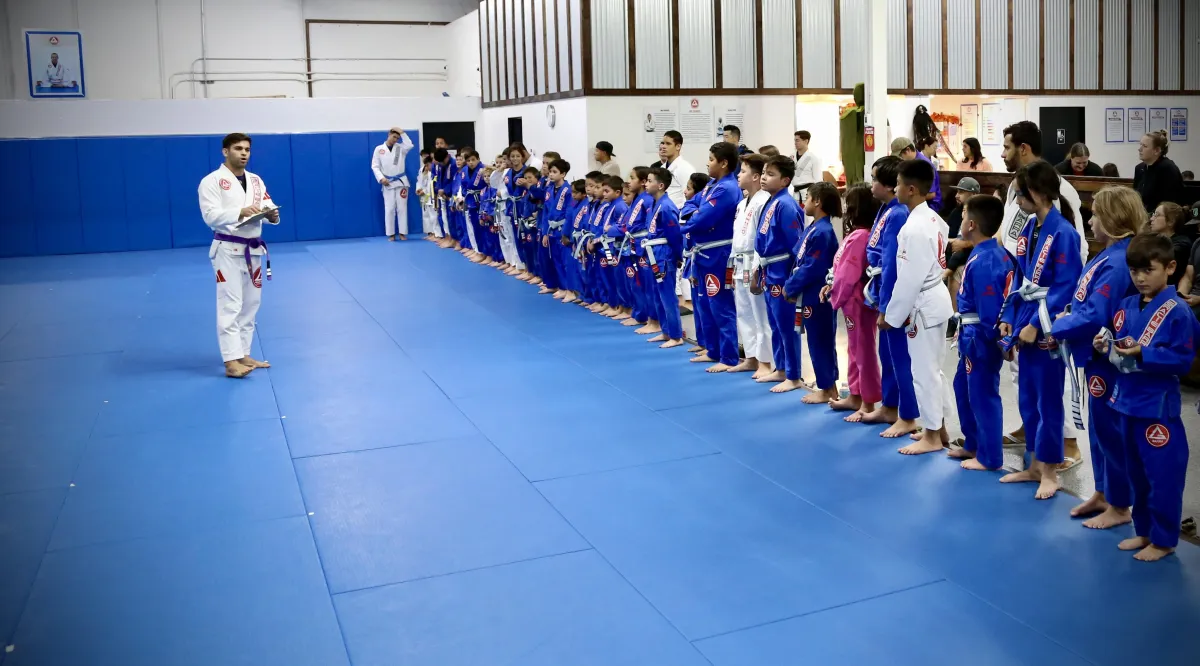
The journey to becoming a proficient grappler is long, but it starts with a single class. You do not need to be an athlete to begin learning these life-saving skills. Our community in Upland is here to support you every step of the way.
Mastering defense will change how you view challenges. You will stop fearing the struggle and start enjoying the process of solving the puzzle. Gracie Barra Upland offers the perfect environment to build your “unbreakable shield.”
Brazilian Jiu-jitsu in Upland
We invite you to experience the empowerment that comes with technical proficiency. Join the most respected martial arts family in the region. Visit https://gbupland.com/ to schedule your free introductory class. Discover the confidence of knowing you can handle whatever comes your way. Your path to mastery begins now.