
The Evolution of a Grappler: What Changes at Every Belt Level in Upland?
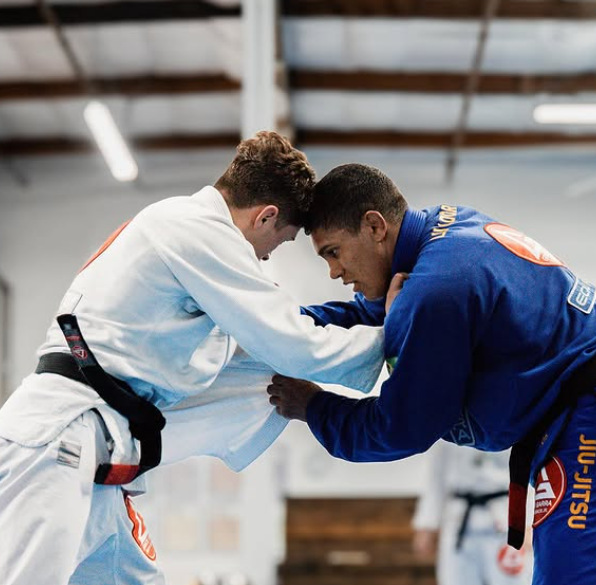
The journey through the ranks of Brazilian Jiu-Jitsu (BJJ) is often compared to life itself. It is a long, demanding path filled with highs, lows, and profound personal transformation. For students at Gracie Barra Upland, a belt promotion is not just a change of color around the waist; it signifies a fundamental shift in mindset, technical ability, and responsibility. Understanding what changes at each stage helps practitioners navigate their expectations and stay motivated.
Brazilian Jiu-jitsu in Upland
White Belt: The Phase of Survival and Discovery
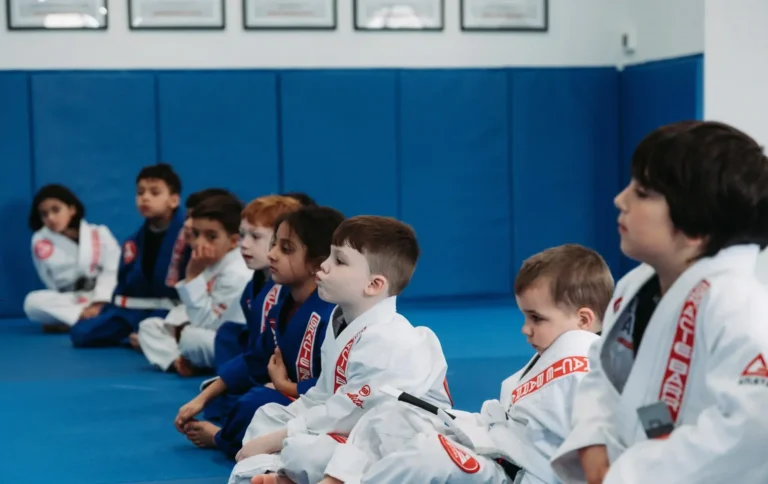
The white belt is the beginning of everything. It is a time of pure potential but also significant confusion. Everything is new: the movements, the terminology, and the physical demands.
The Focus: Surviving the Storm
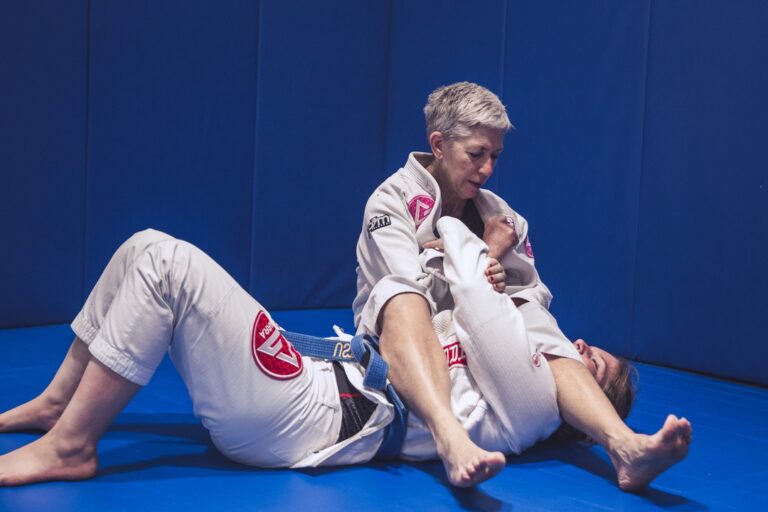
At this stage, the primary goal is survival. A white belt spends most of their time in inferior positions—stuck under side control, mounted, or defending a choke. This is normal and necessary. The change that occurs here is the development of defensive resilience. Students learn to stay calm under pressure, breathe when uncomfortable, and execute basic escapes.
The technical expectation is not perfection but understanding. White belts in Upland focus on:
Fundamental Movements: Shrimping, bridging, and rolling safely.
Basic Defense: Keeping elbows tight and protecting the neck.
Posture: Learning where to place limbs to avoid giving easy submissions.
Mindset Shift: Embracing Humility
The biggest mental change for a white belt is checking the ego at the door. You will tap out often. Accepting this as part of the learning process is the first major hurdle. The white belt learns that tapping is not losing; it is learning. This humility forms the bedrock of all future progression.
Blue Belt: The Phase of Technical Foundation
Earning a blue belt is a massive achievement. It signifies that the student is no longer a beginner but a tough, competent grappler. The “Blue Belt Blues” is a common phenomenon where students quit, but those who persist experience a massive expansion in their game.
The Focus: Escaping and Guard Retention
While the white belt learns to survive, the blue belt learns to escape and recover. The focus shifts from merely holding on to actively regaining a neutral or offensive position. Blue belts in Upland develop a dangerous guard. They begin to understand how to use their legs and hips to keep an opponent at bay.
Changes at this level include:
Linking Techniques: Instead of seeing moves in isolation, the blue belt starts to see connections. “If I try this sweep and it fails, I can switch to this submission.”
Experimentation: This is the time to try different styles. Students explore spider guard, butterfly guard, or passing styles to see what fits their body type.
Defense Mastery: A solid blue belt is very difficult to submit. Their defense is no longer frantic; it is technical and calm.
Mindset Shift: Developing a “Game”
The mental shift here is towards identity. Students start to figure out “their” Jiu-Jitsu. They stop just copying the Professor and start adapting the art to their own attributes. This autonomy is crucial for long-term growth.
Purple Belt: The Phase of Refinement and Flow
The purple belt is often considered the first “advanced” rank. The movement quality changes visibly. A purple belt moves with fluidity and momentum rather than muscle.
The Focus: Combinations and Momentum
At purple belt, the jerky, strength-based movements of the lower belts disappear. The practitioner learns to use the opponent’s energy against them. If an opponent pushes, the purple belt pulls. If they pull, the purple belt enters.
Key technical changes:
Action-Reaction: The purple belt baits opponents into making mistakes. They attack the neck to expose the arm.
Submissions: This is often the most aggressive belt. Purple belts in Upland hunt for the finish. They have the confidence to attack from any position.
Gap Management: They leave zero space for the opponent to move or breathe.
Mindset Shift: Mentorship and Consistency
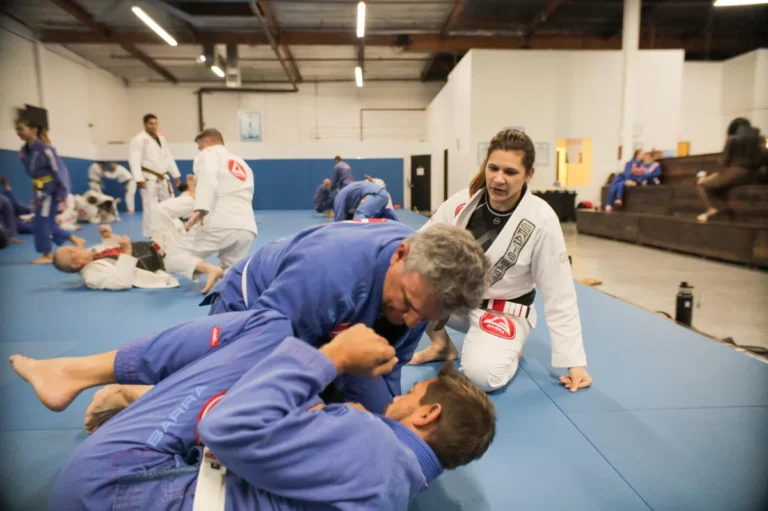
In the Upland academy, purple belts often begin to assist lower belts. The responsibility grows. They realize that teaching or helping a white belt actually refines their own understanding. The mindset shifts from “How do I beat this guy?” to “How does this technique actually work?”
Brown Belt: The Phase of Efficiency
The brown belt is the stage of polishing. The student is technically a black belt in waiting. The difference is often just time and minor adjustments.
The Focus: Tightening the Vise
A brown belt’s game is incredibly tight. They do not waste a single calorie of energy. Every grip has a purpose; every shift in weight is calculated. The change here is efficiency. They can often control and submit lower belts using a fraction of their strength.
Technical evolution includes:
Top Pressure: Brown belts are known for heavy, suffocating top pressure. They understand how to use gravity to pin an opponent effortlessly.
Leg Locks and Advanced Guards: They delve into the intricate, often dangerous, nuances of the art, including complex leg entanglements.
Problem Solving: There are very few situations a brown belt has not seen. They have an answer for almost everything.
Mindset Shift: Strategic Dominance
The mindset is strategic. A brown belt is thinking three or four moves ahead. They are not just fighting the current position; they are setting up the checkmate that will happen thirty seconds later.
Black Belt: The New Beginning
Achieving the black belt is the ultimate goal for many, but in reality, it is just a reset. It signifies mastery of the basics and the start of a deeper, more philosophical journey.
The Focus: Invisible Jiu-Jitsu
The changes at black belt are often invisible to the untrained eye. It is about “invisible Jiu-Jitsu“—the subtle shifts in weight, the precise angle of a wrist, the psychological pressure placed on an opponent.
Subtlety: A black belt does not need to move much to make you feel like you are drowning.
Adaptability: They can roll with anyone—a 300lb strongman or a nimble teenager—and handle both with ease.
Teaching: The black belt is a professor. Their goal shifts from personal glory to the transmission of knowledge.
Mindset Shift: Legacy and Leadership
At Gracie Barra Upland, the black belt represents leadership. The practitioner becomes a guardian of the art. Their responsibility is to the community, ensuring the culture and technique are passed down correctly. The ego is largely gone; the joy comes from watching others succeed.

The Constant Factor: The Upland Community
While the techniques and responsibilities change, one thing remains constant: the support of the Jiu-Jitsu community. At Gracie Barra Upland, no one promotes alone. Every belt represents the collective effort of training partners who pushed you, tapped you, and helped you up.
Brazilian Jiu-jitsu in Upland
Changing belts is a recognition of hard work, but it also invites you to work harder. The expectations rise, but so does the capacity to meet them. Whether you are a white belt looking at your first stripe or a brown belt eyeing the black, the path is the same: keep showing up.
Ready to start your journey through the ranks? It begins with a single step onto the mat. Join us in Upland and discover how far you can go. Visit https://gbupland.com/ to schedule your first class.